
Watch On
It has been over 32 years since Jensen Huang, Chris Malachowsky, and Curtis Priem began a brand new firm collectively. It even took them some time to provide you with a reputation, however they finally settled on Nvidia. Sure, that little, impartial, underdog firm. The one price $5 trillion again in October. That stage of fortune offers one loads of alternatives to spend hours reminiscing concerning the previous, current, and future, which is exactly what Jensen Huang and Joe Rogan not too long ago did.
This prompted Jensen to start out going over Nvidia’s starting, when it was a tiny group of engineers in 1993: “We had been attempting to create this new computing strategy. The query is, what is the killer app? We wished to create a brand new kind of computing structure, a brand new kind of laptop that may clear up issues that standard computer systems cannot clear up.”
Associated articles
A noble purpose, one may say. Nevertheless, Huang hits the problem with this concept proper on the pinnacle. “Nicely, the functions that existed within the business in 1993 are functions that standard computer systems can clear up, as a result of if the traditional computer systems cannot clear up them, why would the applying exist?
“And so we had a mission assertion for an organization that has no probability of success, however I did not know that in 1993; it simply gave the impression of a good suggestion, proper?”
If you happen to’re not aware of Nvidia’s early historical past, the applying it will definitely settled upon was 3D graphics rendering. Extra importantly, the form of rendering that Sega was doing with its arcade models, e.g. Virtua Fighter. I totally suggest that you simply seize a duplicate of The Nvidia Method: Jensen Huang and the making of a tech big, by Tae Kim, because it’s richly detailed and goes into nice depth about how Nvidia did extra than simply achieve inspiration from Sega.
Here is a key snippet: “Amid the enterprise of the commerce present, the Nvidia staff managed to safe an introduction to representatives from the Japanese video-game and console maker Sega. Impressed with the NV1 demonstration, Sega agreed to start working with Nvidia because it deliberate its subsequent console. On December 11, 1994, Jensen and Curtis Priem flew to Tokyo to recommend a chip-development deal to Sega administration.”
Huang explains additional within the podcast: “$5 million was a mountain of cash to Sega on the time, and so I informed him [Sega’s CEO] that when you invested that $5 million in us, it’s more than likely to be misplaced, however when you did not make investments that cash, we might be out of enterprise, and we might don’t have any probability.
“So what he determined was, Jensen was a younger man he appreciated, that is it.”
The NV1 was Nvidia’s first-ever 3D acceleration processor, and within the Joe Rogan podcast, Huang explains that it was very practically the one processor that Nvidia would design: “We lucked into the Sega partnership. We began taking off, began constructing our recreation console, and a few couple [of] years into it, we found our first know-how did not work.
Associated articles
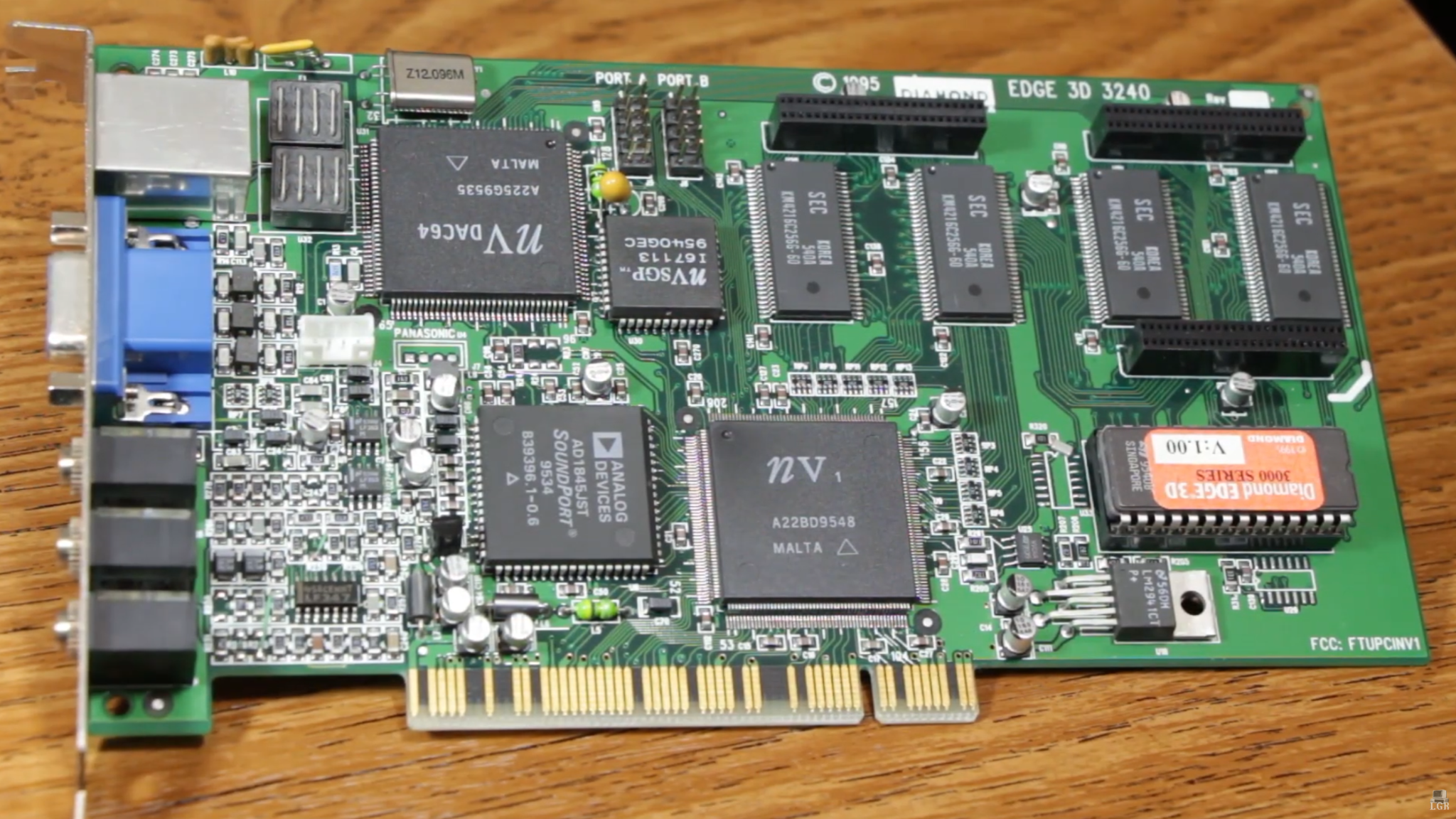
“The structure ideas had been sound, however the way in which we had been doing laptop graphics was precisely backwards. The inverse texture mapping. We had been doing ahead texture mapping as an alternative of triangles. We did curve[d] surfaces. So different folks did it flat.
“Different know-how, the know-how that in the end received, the know-how we use at present has Z buffers. It mechanically sorted. We had an structure with no Z buffers, the applying needed to kind it. So we selected a bunch of know-how approaches, three main know-how selections. All three selections had been improper.”
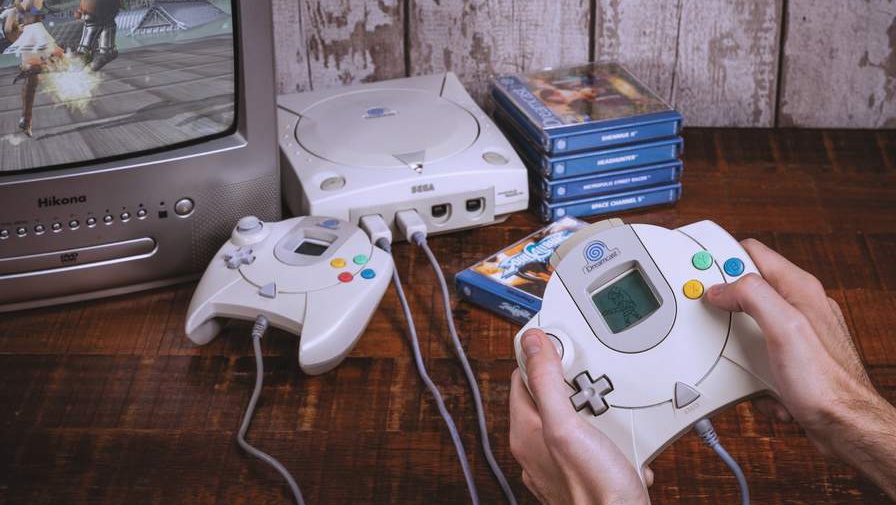
Sega’s console, the Dreamcast, by no means used the NV1. As a substitute, the corporate went with UK-based VideoLogic (now known as Creativeness Applied sciences) and its PowerVR graphics structure. It seemed like Nvidia was accomplished for, particularly as Sega informed it that it would not be utilizing the proposed NV2 for its subsequent console.
Tae Kim explains how Nvidia cleverly acquired its method out of the state of affairs: “Jensen had deftly labored into the preliminary contract a clause for a $1 million fee from Sega if Nvidia was capable of produce a working prototype of a chip that could possibly be put in onto a self-contained motherboard that was about the identical dimension because the older Sega Genesis/Mega Drive motherboard.
“After a few yr spent on the undertaking, [Nvidia] was capable of get an NV2 prototype working inside Sega’s specs. The milestone triggered the $1 million payout, cash that was a key lifeline throughout a time of disaster.”
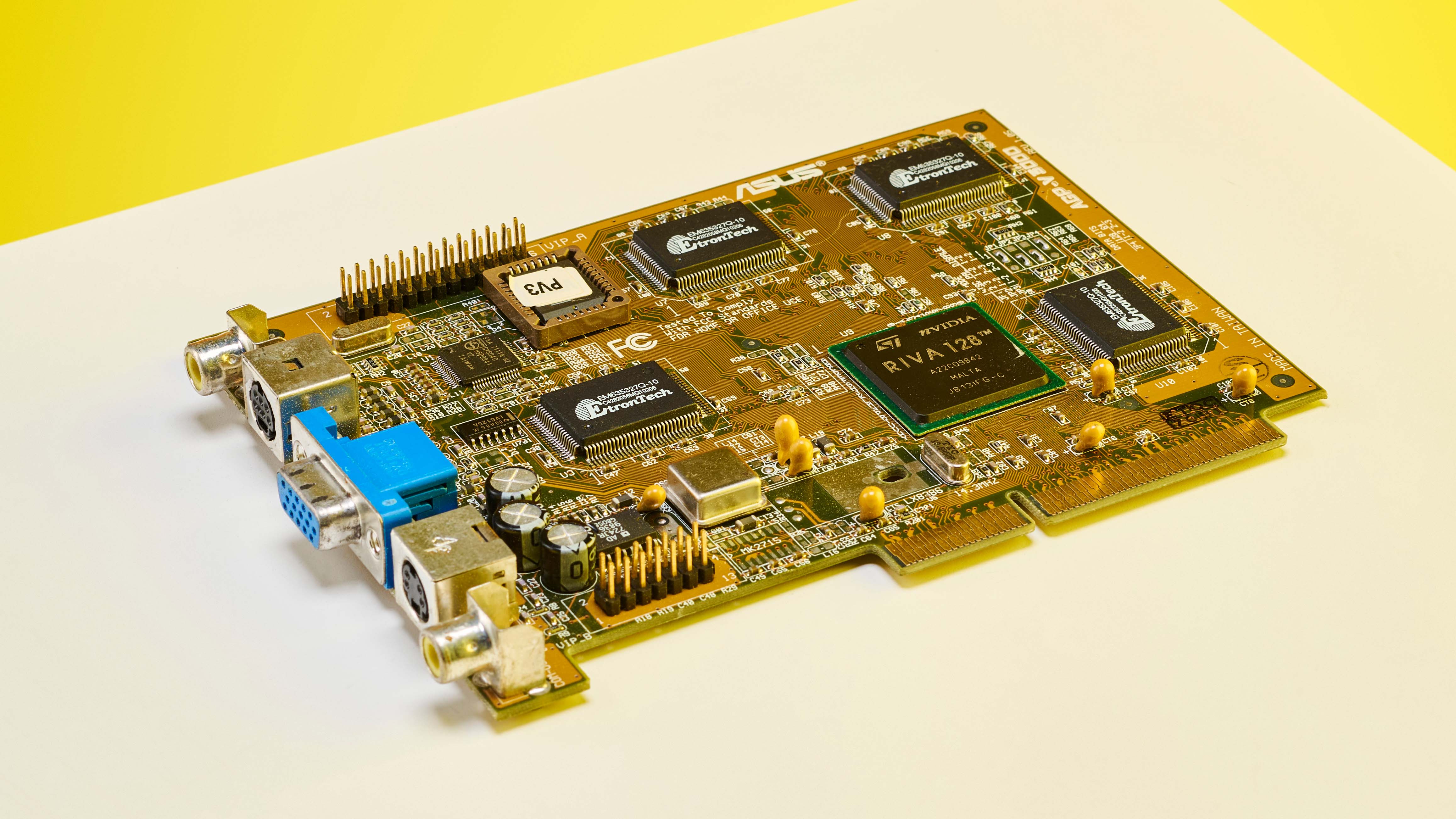
And key it was, as a result of the payout (and an enormous discount in employees) generated sufficient funds to analysis and develop the NV3, also called the Riva 128. That graphics chip was quick, succesful, and though preliminary drivers had been a bit iffy (what drivers weren’t in 1997?), gross sales of the processor had been ok to safe Nvidia’s future.
“We wager the farm on video video games,” stated Huang to Rogan. “We narrowly centered our drawback assertion so I might reject all the different complexities, and we shrunk it down into this one little focus, after which we supercharged it for players.” On condition that Nvidia now controls 92% of the discrete GPU market, that is a wager that paid off by any measure you possibly can consider.
In fact, Nvidia is all about AI nowadays, which is what the majority of the JRE podcast is absolutely about. However I like going again to the Nineties in my ideas, remembering these first graphics playing cards I purchased: Rage Professional, Riva TNT, Voodoo. Ah, good occasions.
Greatest graphics card 2025
All our present suggestions
Source link
